
Upgrading Outlets and Switches: Enhancing Convenience and Safety at Home
Modern homes rely heavily on electricity, not just for basic lighting and appliances but for powering smart devices, home offices, entertainment systems, and even climate control. As technology advances and daily energy demands increase, the need for efficient, reliable, and safe electrical infrastructure becomes more crucial than ever. Outdated outlets and switches may still function, but they often lack the features and safety measures required to meet contemporary standards. Upgrading these components is not only a matter of convenience—it is an essential step toward ensuring a safe and functional home environment.
Beyond the practical benefits, modern electrical solutions also offer enhanced aesthetics and versatility. From USB-integrated outlets to smart switches that integrate with home automation systems, upgrading outlets and switches can transform the way homeowners interact with their electrical infrastructure. Furthermore, addressing aging or damaged electrical components can prevent hazards such as electrical fires, short circuits, and shock risks. Understanding the importance of timely upgrades empowers homeowners to make informed decisions that enhance both safety and convenience, creating a living space that meets today’s energy needs while laying the foundation for future technological advancements.
Understanding the Need for Outlet and Switch Upgrades
Identifying Signs of Aging Electrical Components
Electrical outlets and switches are often overlooked because they operate quietly in the background. However, signs of wear or malfunction should never be ignored. Common indicators include loose outlets, frequent tripping of circuit breakers, flickering lights, or discolored faceplates. These issues not only impact performance but can signal deeper electrical problems that compromise safety.
Safety Risks Associated with Outdated Components
Older outlets may lack modern safety features such as Ground Fault Circuit Interrupters (GFCI) or Arc Fault Circuit Interrupters (AFCI). GFCI outlets are particularly critical in areas prone to moisture, such as kitchens, bathrooms, and laundry rooms, as they prevent electrical shock by cutting off power during irregular current flows. Similarly, AFCI outlets help prevent fires by detecting dangerous electrical arcs. Homes built decades ago may not have these safeguards, leaving occupants at a higher risk of electrical accidents.
Real-World Scenario: Preventing Household Accidents
Consider a scenario where an old two-prong outlet powers multiple high-wattage appliances. Over time, this can cause overheating, sparking, or even short circuits. Upgrading to modern three-prong, surge-protected outlets reduces these risks significantly. In fact, many electrical accidents reported annually are linked to outdated or improperly maintained outlets and switches, highlighting the importance of proactive upgrades.
By understanding these risks and recognizing the signs of outdated components, homeowners can prioritize electrical upgrades to improve both safety and functionality, ensuring their living spaces are protected against preventable hazards.
Types of Outlets and Switches to Consider
Standard and Grounded Outlets
The most common upgrades begin with replacing old two-prong outlets with modern three-prong, grounded outlets. Grounded outlets offer an essential layer of safety by redirecting excess electricity away from connected devices, reducing the risk of shocks and equipment damage.
GFCI and AFCI Outlets
GFCI outlets are essential for wet areas such as kitchens, bathrooms, and garages. They can detect leaks in electrical current and immediately cut power, preventing potential electrocution. AFCI outlets, on the other hand, protect against electrical arcs that may ignite fires. Installing these devices ensures compliance with modern electrical codes and provides peace of mind for homeowners.
Smart Outlets and USB-Integrated Solutions
The rise of smart homes has introduced outlets that integrate Wi-Fi controls, energy monitoring, and USB ports for charging devices without bulky adapters. These modern solutions increase convenience, streamline energy usage, and reduce clutter in high-traffic areas.
Advanced Switch Options
Switch upgrades are equally impactful. Traditional toggles can be replaced with dimmer switches, motion-activated switches, or smart switches controllable via smartphone apps. Dimmer switches allow for energy savings by adjusting brightness levels, while motion-activated switches improve convenience in hallways, basements, or outdoor areas. Smart switches enhance connectivity, enabling remote control and integration with broader home automation systems.
By exploring the available options, homeowners can select upgrades that align with their safety priorities, convenience requirements, and modern lifestyle needs. These choices not only improve functionality but also add long-term value to the home.
Benefits of Upgrading Outlets and Switches
Enhanced Safety and Reduced Fire Risk
Modern electrical components dramatically reduce the likelihood of fire hazards. Properly grounded outlets and AFCI protection minimize risks associated with electrical arcing or overloading, safeguarding both the property and its occupants.
Improved Convenience and Functionality
Upgrading outlets and switches transforms the way homeowners interact with their electrical systems. USB-integrated outlets eliminate the need for adapters, smart switches offer remote control capabilities, and dimmers allow for energy-efficient lighting adjustments. These enhancements increase usability while making everyday tasks more efficient.
Energy Efficiency and Cost Savings
Many modern switches and outlets are designed with energy efficiency in mind. Motion sensors can automatically turn off lights in unused spaces, while smart outlets allow for monitoring and managing appliance usage. Over time, these upgrades contribute to reduced energy bills and a more sustainable household.
Future-Proofing Your Home
Investing in upgraded electrical components ensures the home can accommodate evolving technological demands. From electric vehicle chargers to advanced home entertainment systems, modern outlets and switches provide the foundation for a home that keeps pace with innovations.
Real-world example: Replacing old kitchen outlets with GFCI outlets and adding USB ports enables safe operation of multiple devices simultaneously, prevents shocks near sinks, and enhances convenience for charging smartphones or tablets during daily routines.
By prioritizing upgrades, homeowners gain tangible safety improvements, functional convenience, and long-term economic benefits.
Challenges and Considerations in Electrical Upgrades
Evaluating Existing Electrical Capacity
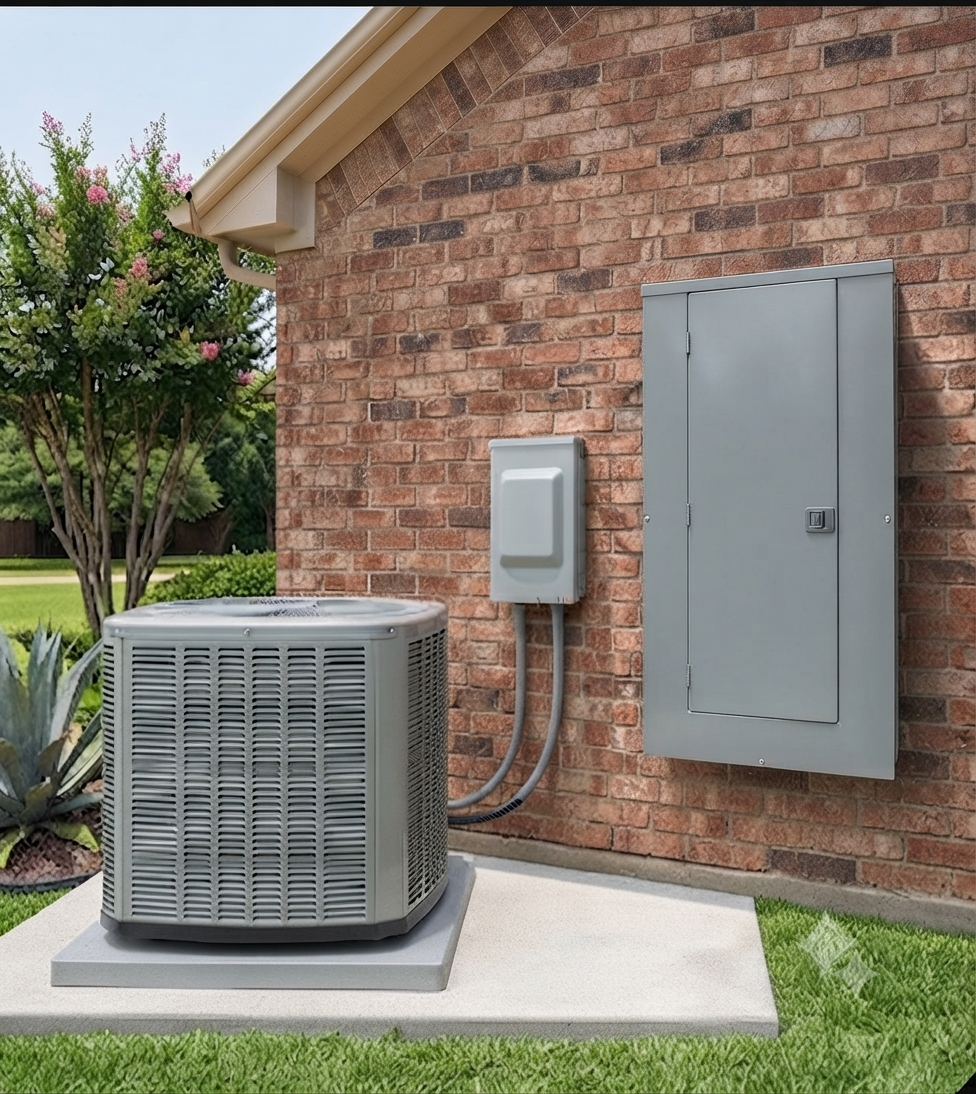
Before upgrading, homeowners should assess whether the current electrical panel and wiring can handle additional load. Older homes may require panel upgrades or circuit modifications to safely support modern outlets and devices.
Ensuring Code Compliance
Electrical upgrades must adhere to local building codes and safety regulations. Non-compliance can lead to legal issues, insurance complications, and unsafe conditions. Consulting a licensed electrician ensures that upgrades meet all regulatory requirements.
Managing Costs and Materials
Upgrading outlets and switches involves material costs, labor fees, and potential rewiring expenses. High-quality components may have a higher upfront cost but provide superior durability and safety benefits. Budgeting wisely and prioritizing critical upgrades can make the process more manageable.
DIY vs. Professional Installation
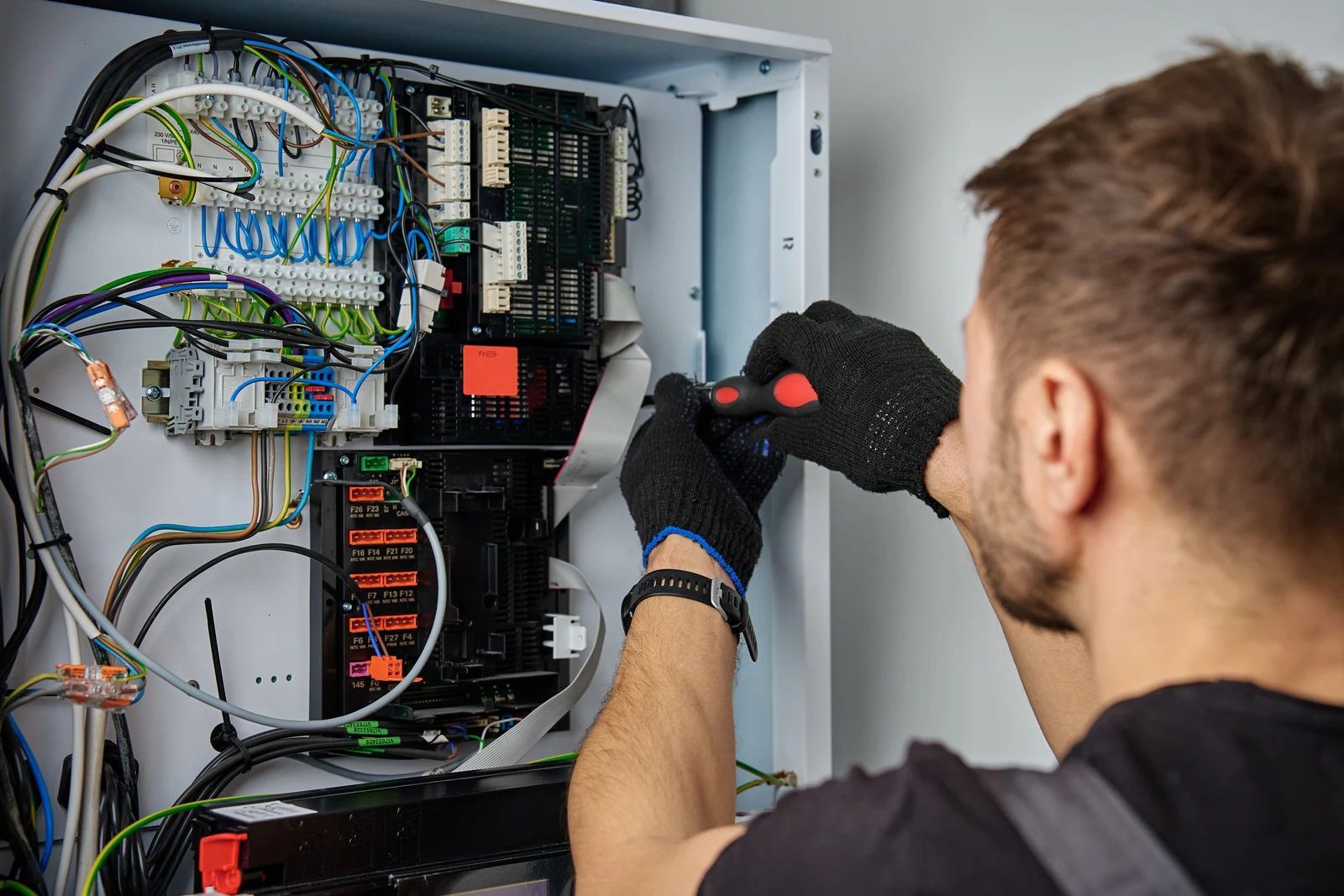
While some minor electrical work may seem straightforward, improper installation can cause serious hazards. Professional electricians bring experience, proper tools, and safety protocols, ensuring that upgrades are installed correctly and function reliably. Attempting DIY upgrades without adequate knowledge can result in injury, property damage, or code violations.
Understanding these challenges and planning accordingly helps homeowners navigate the upgrade process smoothly while maximizing safety and efficiency.
Best Practices for Upgrading Outlets and Switches
Prioritize High-Risk Areas
Focus on rooms with higher electrical risks first, such as kitchens, bathrooms, garages, and outdoor spaces. Installing GFCI outlets and AFCI switches in these areas provides immediate safety improvements.
Plan for Future Needs
Consider future appliance or device usage when selecting outlet types and locations. Adding additional outlets or USB-enabled solutions during renovation prevents the need for frequent extensions or power strips.
Maintain Consistency and Accessibility
Ensure that outlets and switches are positioned for easy access and consistent with home aesthetics. Standardized locations, heights, and styles improve functionality and maintain visual harmony in the home.
Schedule Regular Inspections
Even after upgrades, periodic inspections help identify wear, loose connections, or potential hazards early. Routine maintenance extends the lifespan of outlets and switches while sustaining optimal safety.
Choose Quality Components
Invest in reputable brands that meet safety standards and offer durability. High-quality switches and outlets are less prone to failure, ensuring a reliable electrical system that lasts for years.
By following these best practices, homeowners can optimize both safety and convenience, creating an electrical infrastructure that meets modern demands and supports daily life efficiently.
Integrating Smart Technology for Maximum Benefits
Benefits of Smart Switches
Smart switches allow homeowners to control lighting and appliances remotely via smartphone apps. This capability not only adds convenience but also enhances security by simulating occupancy while away. Integration with voice assistants further streamlines home management.
Smart Outlets and Energy Monitoring
Smart outlets provide real-time monitoring of energy consumption, enabling users to make informed decisions about device usage. These outlets can automatically power down unused devices, contributing to energy savings and lowering electricity bills.
Seamless Home Automation
Integrating smart switches and outlets into home automation systems allows for customized routines, such as automated lighting schedules, timed appliance operation, and energy-efficient heating or cooling. These systems enhance both comfort and cost efficiency.
Trusted Experts Ensuring Safe Home Electrical Upgrades
Upgrading outlets and switches is a critical step toward ensuring a safe, functional, and modern home environment. By addressing aging components, adopting advanced safety features, and incorporating smart technology, homeowners can significantly enhance convenience while minimizing risks such as electrical shocks, fires, or equipment damage. From grounded and GFCI outlets to dimmer and motion-activated switches, there are numerous opportunities to improve both usability and safety across the household. Prioritizing high-risk areas, planning for future needs, and relying on professional installation ensures the upgrades are effective, durable, and compliant with electrical standards.
A&A Electric Company Of Beaumont
has been providing trusted electrical contracting services in Beaumont, Texas, for 40
years. With decades of hands-on experience, their team specializes in upgrading residential and commercial outlets and switches, ensuring maximum safety, convenience, and efficiency. Their commitment to quality, code-compliant solutions, and customer satisfaction makes them the go-to experts for homeowners seeking reliable electrical upgrades. Partnering with A&A Electric Company ensures your home is equipped with modern, secure, and efficient electrical systems designed to meet today’s demands and tomorrow’s innovations.