
Standby or Portable Generator for Hurricane Season? How to Decide
Quick Answer: Choose a standby generator if outages at your address tend to last days, if anyone in the house depends on powered medical equipment, or if you want the house to keep running while you are away or asleep. Choose a portable generator with a manual transfer switch if your priority is a refrigerator, a few lights, a window unit, and a phone charger for a short outage, and you are willing to haul it out, fuel it, and run it outside by hand. Both options need a licensed electrician to connect them to the house. The right answer comes from how long you expect to be without power, what absolutely has to stay on, and how much work you are willing to do in the dark.
The forecast cone has your part of the coast inside it, and the grocery store shelves are already thinning out. You have a portable generator in the garage that has not been started since last season, or you have been meaning to look into a permanent unit and never got around to it. Either way, the question is sitting on the kitchen table: which one is actually the right fit for this house, this family, and this stretch of Southeast Texas?
It is a fair question, and the honest answer is that neither type is better in every situation. A standby unit is not wasted on a household that only loses power for a few hours, and a portable unit is not a bad choice just because it is smaller. What matters is matching the machine to the way outages really play out around Beaumont, Port Arthur, Orange, and Nederland, and to the people who live in the house. Here is how to work through that decision before the next storm makes it for you.
Start With How Long You Are Likely to Be Without Power
The first question is not about horsepower or fuel. It is about duration. A thunderstorm that takes out a neighborhood line for four hours is a different problem than a hurricane that leaves a neighborhood dark for a week. Local residents know the difference well, because Southeast Texas has lived through both.
For a short outage, a portable generator is often enough. You carry it outside, start it, run a few circuits, and put it away when the lights come back. For a long outage, the work of a portable unit adds up. It has to be refueled on a schedule, usually around the clock, and the gasoline it burns has to come from somewhere. After a major storm, fuel stations may be closed or out of stock for days, and a line of cars at the one open pump is not how most people want to spend a recovery week.
A standby generator changes that math. It runs on the natural gas line that already serves the house or on a propane supply, and it starts itself when the utility feed drops. There is no midnight refueling and no pull cord. If your honest guess is that a bad storm could leave you out for several days, that single difference carries a lot of weight.
Match the generator to your longest realistic outage, not your average one. The average outage is a nuisance. The longest one is the one that spoils the food and tests your patience, and it is the one worth planning around.
Who Lives in the House Matters as Much as the House
Two homes with the same square footage can have very different needs. A couple who can drive to a relative's house for a few days has more flexibility than a household with an elderly parent, a newborn, or someone who relies on an oxygen concentrator, a powered bed, or refrigerated medication.
If anyone in the home depends on electrical equipment for their health, the case for standby gets much stronger. A standby unit with an automatic transfer switch restores power within seconds, without anyone having to step into the rain, find a flashlight, and start an engine. A portable unit requires a person who is awake, able, and present, and that is not always a safe assumption at three in the morning or while you are away from home.
Heat is the other half of the equation. Summer and early fall along the Gulf Coast bring heat and humidity that can build quickly inside a closed house. Without air conditioning, indoor humidity climbs and mold can begin to take hold in a matter of days. If keeping a central air conditioner running is part of your plan, you are no longer talking about a small portable unit. A typical portable generator produces roughly 2,500 to 4,500 watts, and that is a tight fit for a central system, which draws a large surge of power just to start its compressor. A properly sized standby unit can carry the air conditioner along with the refrigerator and lighting, and a short conversation with an electrician about your specific equipment will tell you what is realistic.
Tip: Write down everything that must stay on for your household during a long outage, then circle the items that are safety related rather than a matter of comfort. That short list is what an electrician needs to size either type of generator correctly, and it keeps the conversation focused on what you actually need.
What a Portable Generator Does Well, and Where It Asks More of You
A portable generator earns its place for good reasons. It can be stored in a garage, moved to wherever it is needed, and used for a campsite, a job site, or a tailgate when the storms are not around. For a household that mainly wants to keep the refrigerator cold, a few lamps lit, and phones charged, it is a practical tool.
The tradeoff is that you become part of the system. The generator has to be rolled out, started, and watched. It has to be run outdoors on dry, level ground, and federal safety regulators advise keeping it at least 20 feet from the house, with the exhaust pointed away from windows, doors, and vents. A porch or carport is too close. During a Gulf storm, that means finding a spot outside in the wind and rain, and often under a canopy that will not catch fire or blow away.
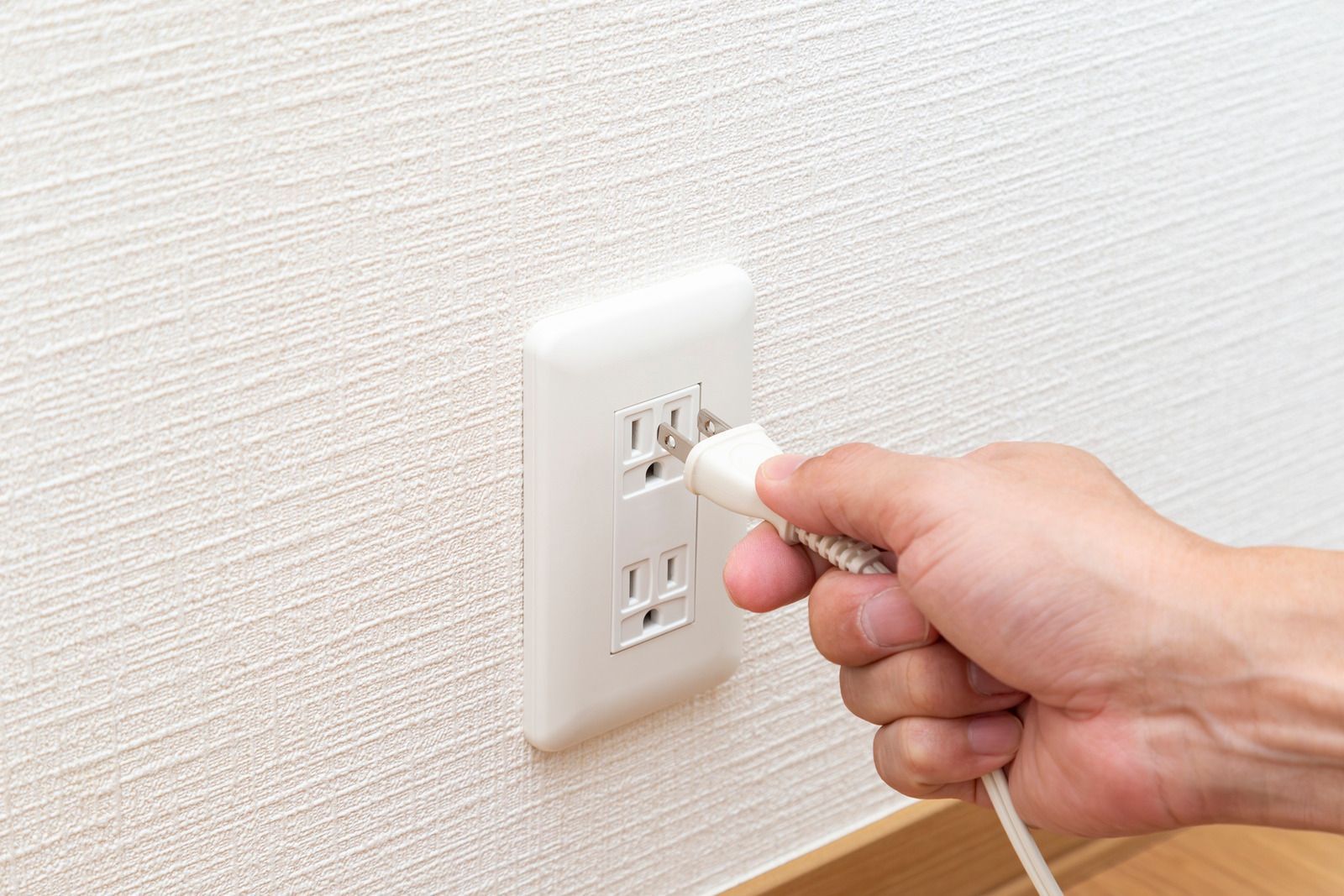
There is also the matter of how the power gets into the house. Extension cords run through a window or door can power a few devices, but they are limited and awkward. The safer and more convenient approach is a manual transfer switch installed by a licensed electrician, which ties the generator to selected circuits in your main panel. That switch also keeps your generator's power from traveling back out onto the utility lines, which protects the line crews working to restore service on your street. A generator should never be plugged into a wall outlet to feed the house, because that backfeed can injure or kill utility workers and neighbors.
Portable units also need to be ready when the storm arrives. Fuel left in a tank or can for months can break down, and a carburetor that has sat all season may not start on the first pull. A short test run before storm season, with fresh fuel, is the kind of habit that decides whether the unit works when you need it.
Warning: Carbon monoxide from a running generator is invisible and odorless, and it has killed people in the days after storms who were simply trying to keep their families comfortable. Never run a portable generator in a garage, a basement, a crawl space, or near an open window, even with the door open. Keep working carbon monoxide alarms in the house.
What a Standby Generator Does Well, and What It Needs From You
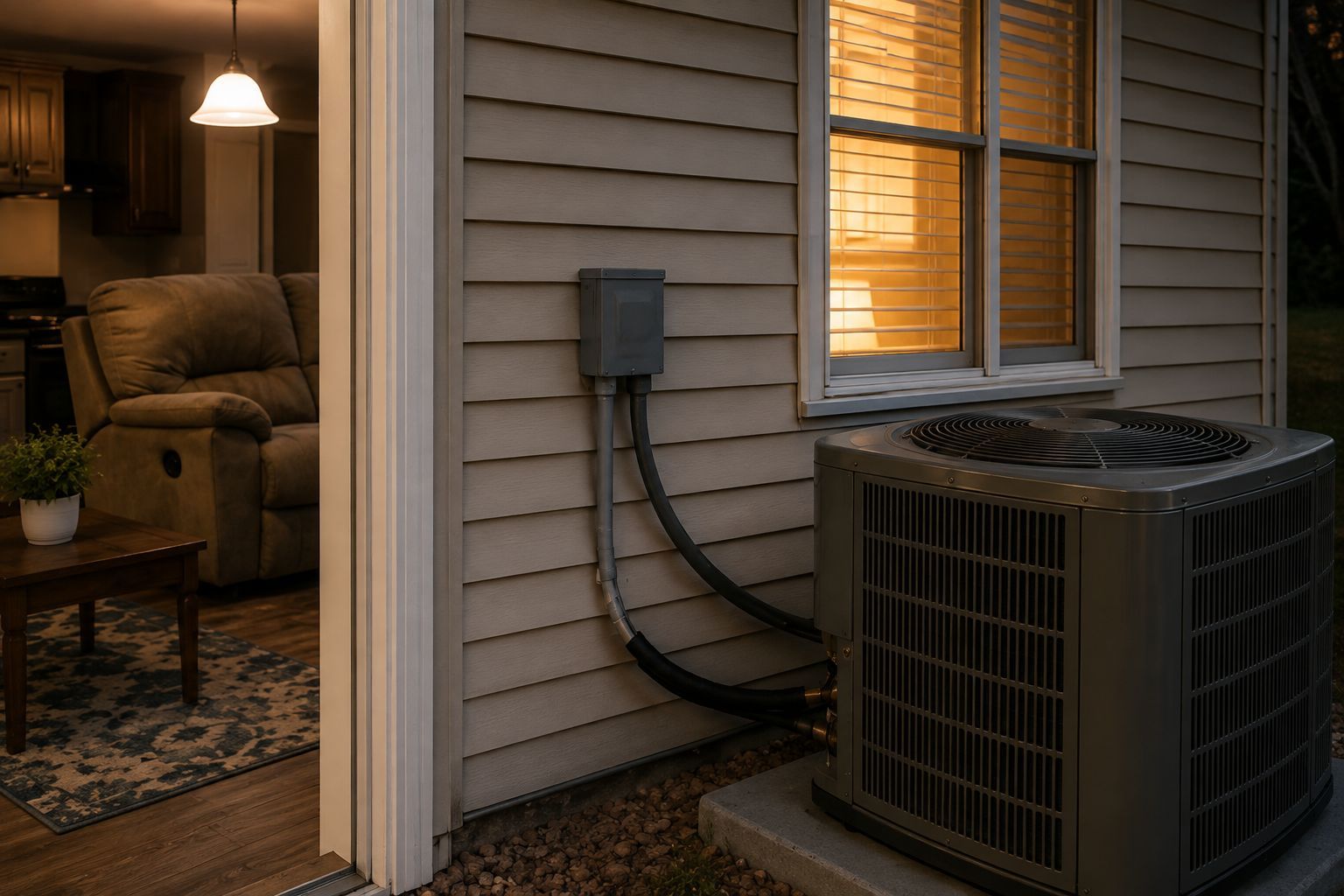
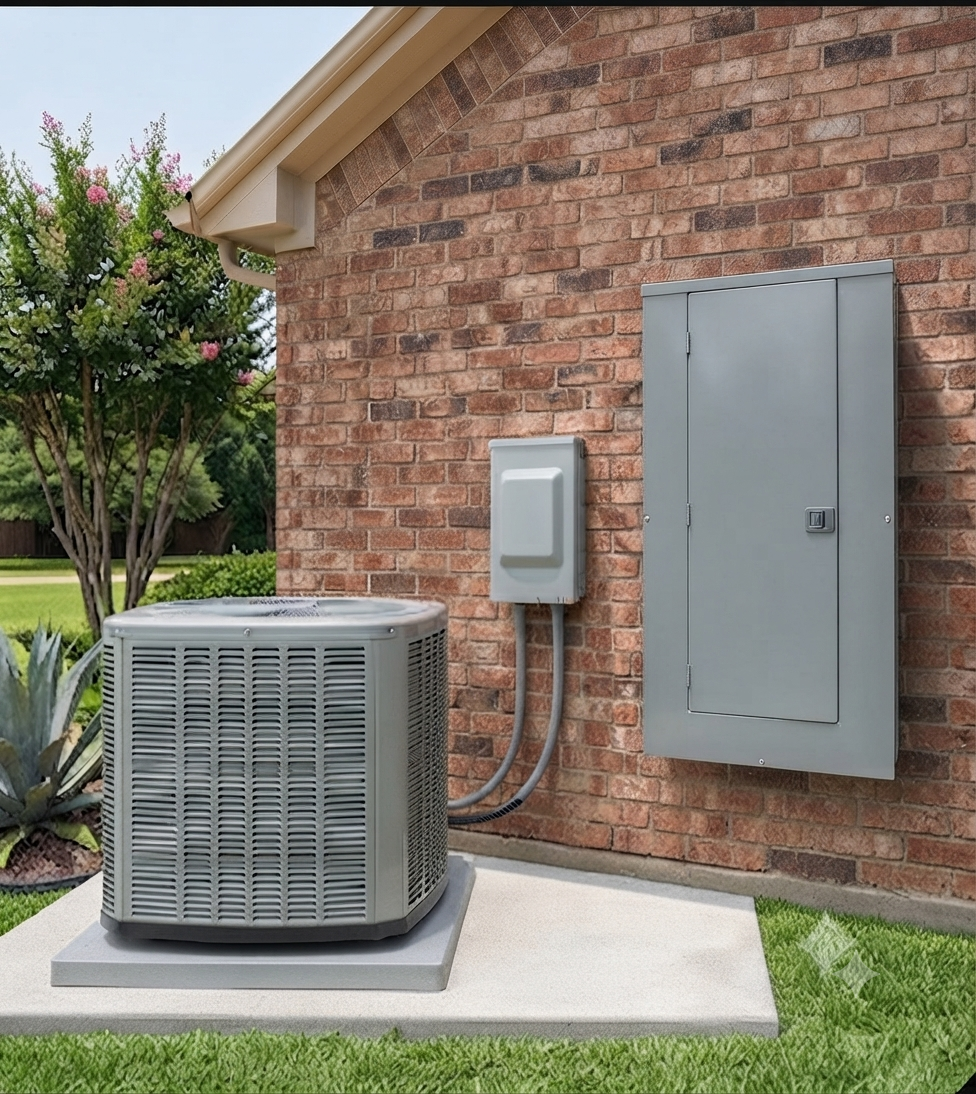
A standby generator is installed permanently outside the house on a pad, much like a central air conditioning condenser. It connects to your natural gas service or a propane tank, and it is wired to an automatic transfer switch that watches the incoming utility voltage. When that voltage drops, the switch disconnects the house from the utility, signals the generator to start, and reconnects the house to generator power, usually within seconds. When the utility power returns and stabilizes, the switch moves the house back and the generator shuts itself down.
For a household that lives with frequent storm outages, that hands off behavior is the main attraction. Nobody has to be home. Nobody has to be awake. The refrigerator, the lights, the sump pump, the security system, and the air conditioner can keep working through the same storm that is knocking down trees on the street.
A standby unit asks for a different kind of attention. It needs a proper location, with the clearances the manufacturer specifies from windows, doors, and walls, and with attention to how the pad sits relative to flooding. In a low lying part of the Golden Triangle, putting a generator where storm surge or street flooding can reach it defeats the purpose, so placement and elevation deserve real thought. It also needs regular maintenance, including oil changes, battery checks, and a load test, because a machine that sits idle for months can fail at the worst moment. Installation is a project, not a purchase you carry home, and a typical residential standby installation takes one to three days from the electrical work through testing.
One more point surprises people. A standby generator that runs on natural gas depends on the gas supply continuing to flow. In most storms it does, but a propane tank gives you a fuel supply stored on your own property, and that independence appeals to some homeowners. Which fuel makes sense depends on what serves your address and how you feel about relying on the utility.
Why the Electrician's Visit Comes Before the Purchase
Whichever way you lean, the generator itself is only part of the system. The transfer switch, the wiring, the panel capacity, the grounding, and the fuel connection all have to be right, and they have to be right for the particular house you own. Older Beaumont homes sometimes have panels and wiring that need attention before a generator can be tied in safely, and a load calculation tells you whether the unit you are considering will actually carry what you need it to carry.
An on site assessment answers questions no article can. It shows which circuits are worth backing up, how large the unit should be, where it can sit, and whether your existing panel can handle the connection. It also keeps you from buying a machine that is too small to help or larger than your household will ever use.
Frequently Asked Questions
Can a portable generator power my whole house?
Usually not. Most portable units handle a handful of essential circuits such as the refrigerator, some lighting, and a few outlets. Running a whole house, especially with central air, calls for a larger standby unit sized to the load.
Is it safe to plug a portable generator into a wall outlet?
No. It sends power backward through the wiring onto the utility lines, which can injure line workers and neighbors and damage your equipment. A manual transfer switch installed by a licensed electrician is the safe connection.
How quickly does a standby generator turn on?
An automatic transfer switch detects the loss of utility power and signals the generator to start, usually restoring power within seconds. There is a short pause, so lights may blink off briefly before the generator takes over.
Do I need to maintain a generator I only use during storms?
Yes. An idle generator is more likely to fail than one serviced regularly. Standby units need oil changes, battery checks, and load testing, while portable units need fresh fuel and a test run before storm season.
Where should a portable generator be placed during a storm?
Outdoors only, on dry and level ground, at least 20 feet from the house with the exhaust aimed away from windows, doors, and vents. A garage, porch, or carport is too close. A canopy clear of the exhaust helps.
Can I start with a portable generator and add a standby unit later?
In many homes, yes. A manual transfer switch and inlet now gives a safe connection for a portable unit, and an electrician can plan the panel work so a standby upgrade fits later. The details depend on your panel.
Choosing on a Calm Day Pays Off
The right generator is not the bigger one or the cheaper one, it is the one that matches how outages actually unfold at your address and who depends on the power inside the house. Standby gives automatic, hands off protection for long outages and for anyone who cannot wait in the dark. Portable gives flexibility for shorter outages when you are home and ready to handle the fuel and the engine. Duration, medical needs, and whether you evacuate are what quietly settle the choice.
Neither option works safely without the right connection to the house, which is why the decision belongs on a calm day rather than a storm night. A&A Electric Company Of Beaumont
has spent 40
years wiring homes across Beaumont, TX, and that experience is what turns a guess off a store shelf into a unit sized and tested for your panel. Decide before the forecast forces your hand, and the next outage finds your household ready instead of scrambling for fuel in the rain.