
Industrial Electrical Maintenance Plans: What’s Included and Why It Matters
Industrial operations depend heavily on electrical systems that run continuously under demanding conditions. From production lines and conveyor systems to heavy machinery and control panels, every process relies on stable electrical performance. When even a minor fault occurs, it can trigger unexpected downtime, safety hazards, and costly production losses. This is why structured industrial electrical maintenance plans are no longer optional but essential for modern facilities aiming to maintain efficiency and reliability. Consistent monitoring also helps identify hidden issues before they escalate into major breakdowns. It ensures that critical systems operate within safe electrical limits at all times. Proper maintenance planning also supports smoother coordination between mechanical and electrical operations. Ultimately, it creates a more resilient production environment capable of handling continuous industrial demand.
In today’s competitive industrial environment, unplanned outages can significantly disrupt supply chains and reduce operational output. A well-designed maintenance strategy ensures early detection of electrical issues, consistent system performance, and compliance with safety standards. It also supports energy efficiency and extends equipment lifespan, reducing long-term operational costs. Industrial electrical maintenance is not just about fixing problems when they arise; it is about preventing them before they escalate into failures. Through scheduled inspections, diagnostics, and corrective actions, facilities can maintain continuous production flow while minimizing risk exposure. Understanding what is included in a maintenance plan and why it matters allows us to build safer, more efficient, and more productive electrical infrastructures that support long-term industrial growth and stability. It also improves decision-making through data-driven insights from system monitoring. Maintenance programs help reduce emergency repair dependency and improve overall operational predictability. Over time, this structured approach enhances asset reliability and strengthens overall plant performance.
Core Components of Industrial Electrical Maintenance Plans
Scheduled Preventive Maintenance
Cleaning and Tightening of Electrical Components
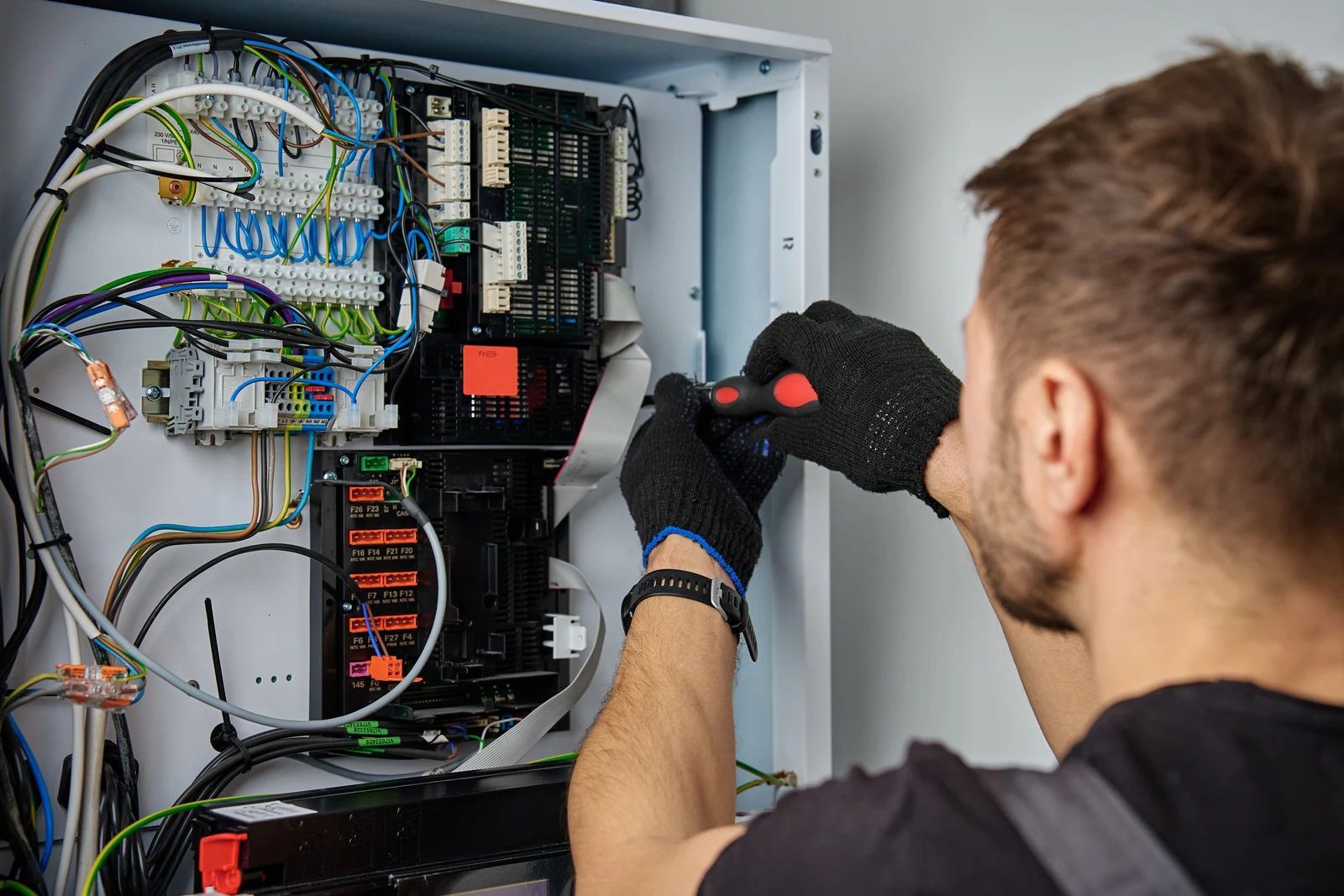
Dust accumulation, moisture exposure, and vibration gradually weaken electrical connections over time in industrial environments. Maintenance includes cleaning switchboards, tightening terminals, and securing fittings to reduce resistance buildup and prevent overheating. This process improves conductivity, extends equipment lifespan, and ensures stable performance across high-demand systems operating under continuous electrical and mechanical stress in harsh conditions while supporting overall operational reliability and efficiency consistently maintained systems.
Reduction of Unexpected Failures
Unexpected equipment breakdowns are among the leading causes of industrial downtime. Preventive maintenance reduces this risk by identifying early warning signs such as vibration irregularities, electrical inconsistencies, or mechanical fatigue. Addressing these issues early prevents catastrophic failures that would otherwise require extensive repair time and disrupt production schedules significantly overall system stability.
Predictive Maintenance and Monitoring Systems
Thermal Imaging and Condition Monitoring
Modern maintenance strategies rely on predictive tools such as thermal imaging cameras and sensor-based monitoring systems to detect abnormal heat patterns in electrical panels and equipment. These technologies identify developing faults early before breakdowns occur. Predictive maintenance enables proactive intervention, improving reliability, reducing downtime, and enhancing safety across critical industrial electrical systems operating under continuous load conditions in demanding environments, with consistent operational performance ensured.
Load Analysis and Performance Tracking
Continuous monitoring of electrical loads ensures systems operate within rated capacity and prevents overload conditions. By analyzing performance data, inefficiencies, phase imbalance, and abnormal power consumption trends are identified early. This data-driven approach supports informed maintenance decisions, optimizes reliability, and reduces the risk of unexpected failures in industrial environments requiring stable energy distribution and consistent operational performance across all machinery systems, and ensures system efficiency is consistently ensured.
Electrical Testing and Diagnostics
Insulation Resistance and Continuity Testing
Electrical systems degrade over time due to environmental exposure and mechanical stress. Insulation resistance testing evaluates wiring integrity, while continuity testing ensures uninterrupted electrical flow through circuits. These diagnostic methods identify hidden faults not visible during routine inspections, enabling early corrective action. Regular testing improves safety, reduces failure risks, and maintains consistent performance in demanding industrial electrical environments requiring high reliability and operational continuity is ensured.
Circuit Breaker and Protection Device Testing
Circuit breakers and protective relays play a critical role in preventing electrical hazards and equipment damage. Maintenance plans include testing response time, tripping accuracy, and load handling capacity under simulated fault conditions. Faulty protection devices can lead to severe system failures, making regular testing essential for operational safety. Proper calibration ensures systems respond correctly during overloads, short circuits, and other electrical fault events in industrial systems.
Safety Compliance and Risk Management
Adherence to Electrical Safety Standards
Industrial environments must comply with strict electrical safety regulations to ensure safe and reliable operations. Maintenance plans ensure systems meet applicable codes and standards, reducing legal and operational risks. Proper labeling, grounding checks, and insulation verification are essential parts of compliance processes. These measures improve workplace safety, reduce incidents, and ensure reliable operation of electrical infrastructure in high-risk industrial settings, and continuous monitoring is maintained.
Hazard Identification and Mitigation
Electrical hazards such as arc flashes, short circuits, and overload conditions can pose serious risks in industrial environments. Maintenance programs include systematic hazard assessments to identify vulnerable points in the system. Once identified, corrective actions are implemented to eliminate or reduce risks. Proactive hazard management enhances safety, protects equipment, and ensures stable operation where electrical reliability is critical in industrial power distribution systems consistently maintained safely.
Emergency Response and Corrective Maintenance
Rapid Fault Diagnosis and Repair
Despite preventive measures, unexpected electrical faults can still occur in industrial systems. Maintenance plans include structured response procedures for rapid fault identification and repair to minimize downtime. Skilled technicians diagnose root causes rather than surface symptoms, ensuring long-term reliability. Quick restoration of operations reduces production losses and improves system resilience in critical industrial electrical environments, requiring continuous operational support, and system efficiency is consistently ensured.
Spare Parts Management and System Recovery
Having essential spare parts readily available significantly reduces recovery time during electrical system failures. Maintenance planning includes inventory management for critical components such as fuses, relays, and contactors. This ensures repairs can be executed without unnecessary delays, maintaining operational continuity. Proper stock control improves response speed, reduces downtime, and supports the reliable functioning of industrial electrical systems under demanding operational conditions, and system reliability is consistently maintained.
Energy Efficiency Optimization
Power Quality Improvement
Poor power quality can significantly affect industrial equipment performance and increase energy consumption. Maintenance plans focus on improving power factor, reducing harmonic distortion, and balancing electrical loads across systems. This results in stable operation, reduced energy waste, and enhanced efficiency. Improved power quality ensures smoother machinery performance, minimizes electrical stress, and supports long-term reliability in high-demand industrial environments, with optimized energy usage consistently achieved.
Equipment Efficiency Assessment
Over time, electrical equipment may lose efficiency due to wear and tear and continuous operation in industrial environments. Regular assessments help determine whether components are operating optimally or require recalibration or replacement. Improving efficiency reduces operational costs and enhances system longevity. Consistent monitoring ensures equipment continues to perform at expected levels, supporting productivity and minimizing energy waste across industrial electrical systems, with sustained performance consistently ensured.
Importance of Industrial Electrical Maintenance Plans
Industrial electrical maintenance plans play a crucial role in ensuring operational continuity, safety, and cost efficiency. Without a structured approach, electrical systems are exposed to unpredictable failures that can halt production and increase repair expenses. Maintenance planning reduces these risks by identifying potential issues early and addressing them before escalation. It also enhances workplace safety by minimizing electrical hazards and ensuring compliance with industry regulations.
Another key advantage is improved equipment lifespan. Well-maintained systems experience less stress and operate more efficiently over time. This directly contributes to reduced capital expenditure on replacements and repairs. Additionally, optimized electrical performance supports energy savings, which is a significant factor in large-scale industrial operations. By integrating preventive, predictive, and corrective strategies, maintenance plans create a stable operational environment that supports consistent productivity and long-term reliability.
Reliable Industrial Maintenance Planning For Electrical Infrastructure
In industrial electrical contracting, reliability and precision define long-term success. Consistent electrical maintenance planning ensures that complex systems continue to operate safely under heavy demand. Through structured inspection routines, advanced diagnostic techniques, and proactive fault prevention, electrical infrastructure can be maintained at peak performance levels. This approach reduces downtime, improves operational safety, and supports uninterrupted industrial output across diverse environments.
A&A Electric Company Of Beaumont
stands as a trusted authority in delivering high-quality electrical contracting solutions built on decades of hands-on industry experience. With 40
years of dedicated service, strong technical knowledge is applied to support industrial facilities with dependable maintenance strategies and system reliability solutions. Every project is approached with a commitment to safety, efficiency, and long-term performance outcomes. Industrial clients benefit from practical expertise in handling complex electrical systems, ensuring that maintenance plans are not only compliant but also optimized for real-world operational demands. From preventive maintenance programs to advanced electrical system support, solutions are designed to minimize disruption and maximize productivity. The focus remains on building resilient electrical infrastructures that support continuous industrial growth, reduce operational risks, and enhance energy efficiency across all scales of operation.